

Why Pokerrito’s Hoodless Store System Is a Game Changer in the QSR Industry
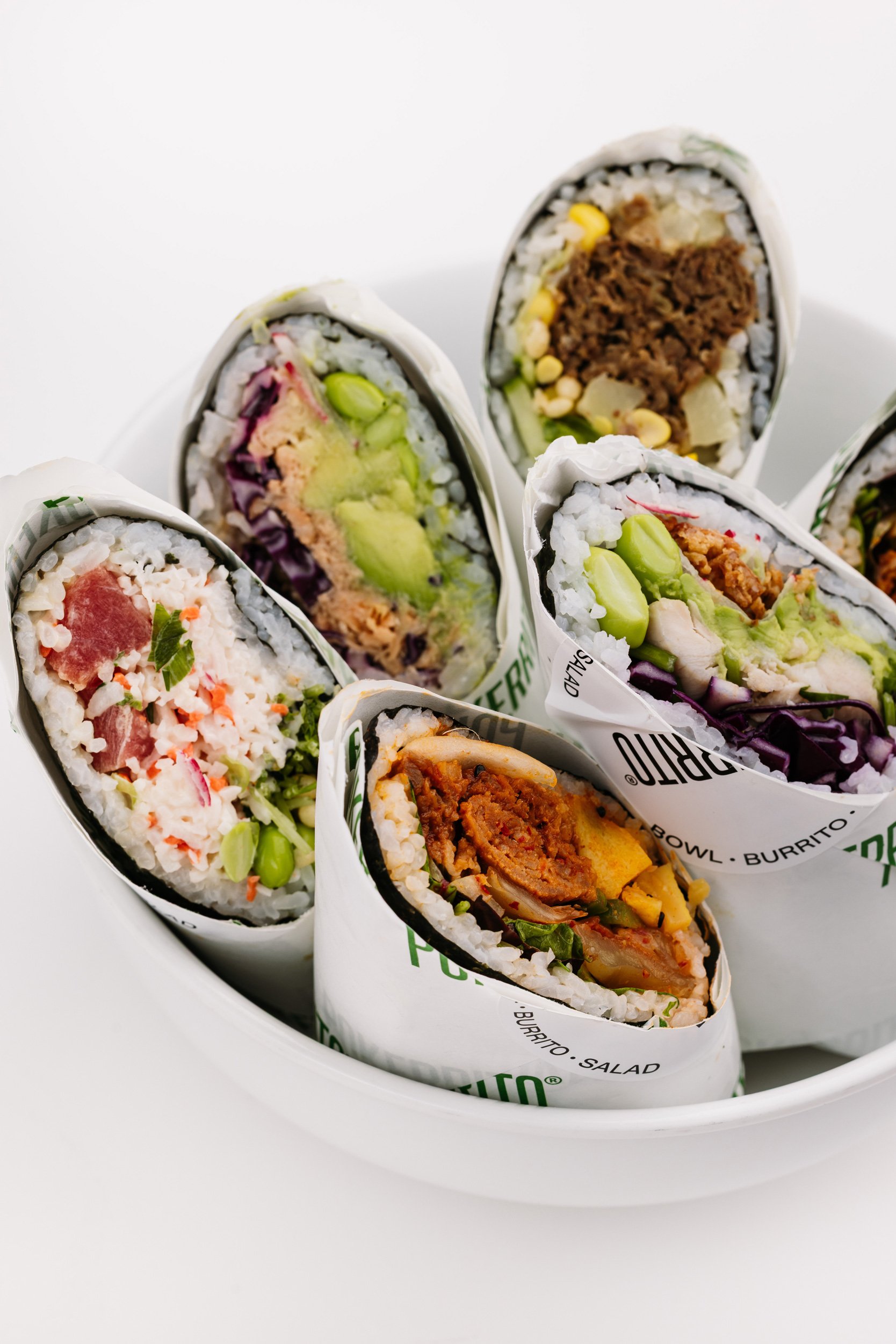
Pokerrito is a hoodless QSR franchise model that operates without a commercial hood system by combining a centralized kitchen with proprietary in-store heat-finishing techniques. This reduces buildout cost dramatically, shortens opening timelines, and makes it possible to serve hot menu items — grilled beef, chicken, and torched salmon — in locations where traditional restaurants simply cannot operate.
In an industry where most QSR brands are held back by kitchen infrastructure, Pokerrito is rewriting the playbook. Here's how.
No Commercial Hood = Lower Startup Cost
A commercial hood system typically adds a massive amount of construction cost to any restaurant project, and extends permitting by several months. By eliminating it entirely, Pokerrito cuts CAPEX, accelerates store openings, and unlocks location types where hood installation is physically or legally impossible.
Most restaurant concepts require a commercial hood, which drives up:
- Construction cost — ductwork, make-up air, fire suppression systems
- Permit complexity — health, fire, and building code reviews stack up fast
- Opening timeline — often two to six extra months before revenue starts
Pokerrito eliminates all of that. The result for franchisees is lower initial investment, faster build-out, faster time-to-revenue, and access to real estate that other concepts can't even consider — malls, office towers, PATH, and airports.
In dense urban markets like Toronto PATH, where hood ventilation routing is often physically impossible, this isn't just an advantage — it's a structural moat.
Central Kitchen System = Operational Simplicity
Pokerrito operates on a central kitchen distribution model. Every key ingredient is prepped to spec, standardized across locations, and cold-chain delivered to each store.
At the store level, this means no heavy kitchen staff required, minimal food prep complexity, and consistent quality on every bowl, every day, across every location.
This simplicity dramatically reduces training time, labor cost, and human error — the three operational killers that quietly destroy most QSR franchises.
Breaking the Industry Limitation
Here's the catch most brands hit: companies that use central kitchens are almost always limited to cold foods — salads, sandwiches, grain bowls. Why? Because heat cooking requires a hood, hot-held food quality degrades fast, and reheating protocols rarely pass health inspections without proper equipment.
Pokerrito breaks that category limitation.
We serve grilled beef. Grilled chicken. Torched salmon. Warm protein bowls.
All without a commercial hood.
Proprietary System = Scalable Menu Diversity
Pokerrito has developed an internal finishing system that enables heat finishing (torch-based and controlled induction), texture preservation from cold-chain to plate, and flavor consistency across stores.
The result is a wider menu than typical poke brands, higher customer retention through repeat-visit variety, and a higher average order value — because customers aren't locked into cold options only.
Why This Matters for Franchise Growth
From a franchise perspective, the Pokerrito model changes every variable that matters:
| Factor | Traditional QSR | Pokerrito |
|---|---|---|
| Build Cost | High | Low |
| Kitchen Complexity | High | Low |
| Staffing | Skilled cooks required | Trainable in days |
| Menu Flexibility | Medium | High |
| Real Estate Options | Limited | Broad |
| Scalability | Slow | Fast |
Every row in that table is a compounding advantage when you're opening store number five, ten, or fifty.
Ideal Locations for This Model
Because no hood is required, Pokerrito fits into real estate that traditional restaurants cannot:
- Shopping malls — inline and food court
- Office towers and underground concourses like Toronto PATH or Montreal RÉSO
- Airports and transit hubs
- High-density urban micro-retail
- Mixed-use residential ground floors
Anywhere a kitchen hood is impossible, expensive, or restricted — Pokerrito fits.
Frequently Asked Questions
Does Pokerrito require a commercial hood? No. Pokerrito operates without a commercial hood, which reduces construction cost, simplifies permitting, and opens up locations such as malls, PATH, and airports where hood ventilation is often impossible.
How does Pokerrito maintain food quality without cooking on-site? Through a central kitchen where ingredients are prepped, portioned, and cold-chain distributed, combined with proprietary in-store finishing techniques — including torch finishing for proteins like salmon.
Can Pokerrito serve hot food without a full kitchen? Yes. Pokerrito uses proprietary heat-finishing methods, including torch finishing and controlled induction, to serve warm proteins like grilled beef, chicken, and salmon — all without a commercial hood.
Why is Pokerrito easier to scale than traditional restaurants? Pokerrito reduces kitchen complexity, staffing requirements, and setup cost while maintaining menu diversity — removing the three largest barriers that slow traditional QSR franchise expansion.
What kind of real estate works best for a Pokerrito franchise? Hoodless operation lets Pokerrito thrive in malls, office towers, PATH-style underground networks, airports, and dense urban spaces where traditional kitchens are physically or legally restricted.
The Bottom Line
Pokerrito is not just another poke brand. It's a system-driven QSR model built for scalability, operational simplicity, and modern urban real estate.
If you're evaluating franchise concepts that combine low setup cost, operational simplicity, menu flexibility, and real estate versatility — Pokerrito represents a new standard in franchise design.
Ready to learn more? Explore franchise opportunities · View our menu · Find a location